



- By: Qiu
- 2025-10-31
How Wounds Heal – What You Should Know
When the skin is broken—whether through a cut, scrape, burn, surgery, or pressure sore—your body immediately begins a remarkable healing journey. The skin’s role is to shield you from germs and keep internal tissue safe; once it’s damaged, germs can enter and cause an infection if you’re not careful.
Types of Wounds
Wounds come in many forms:
- Cuts and slashes
- Scrapes or abrasions
- Puncture wounds
- Burns
- Pressure ulcers (bedsores)
Some wounds are shallow and heal fairly quickly. Others are deeper, involving muscles, tendons, nerves, blood vessels, even bone. Regardless of depth, all need proper care to minimize risk of infection.
The Healing Process in Stages
Your body heals in recognizable stages—understanding these helps you better support that process.
- Clotting & Protection
Right away, bleeding usually triggers clotting. The clot dries, forming a scab that serves as a protective cover for the underlying tissue. - Inflammation – Cleaning & Preparing
You’ll see some redness, swelling, tenderness, or clear fluid on the wound. That fluid is helpful—it’s part of your body’s way of cleaning the area. Blood vessels dilate to bring oxygen and nutrients; white blood cells fight pathogens and help set the stage for repair. This phase lasts about 2-5 days. - Tissue Growth & Repair
Over the next few weeks, the body regenerates: new blood vessels form, collagen (strong, white fibers) is produced; the wound starts filling in with granulation tissue and new skin forms over it. The edges gradually pull together and the wound becomes smaller. - Maturation & Scar Formation
Eventually a scar appears. It may be red or shiny, then gradually fades. Some scars become nearly invisible; others may persist longer or become more pronounced depending on the depth of the wound. Sometimes, especially with deeper wounds, the new tissue never quite matches the original skin’s strength or flexibility. Scarring can take up to two years to fade.
How You Can Help the Process
Here are key steps to give your body the best conditions for healing:
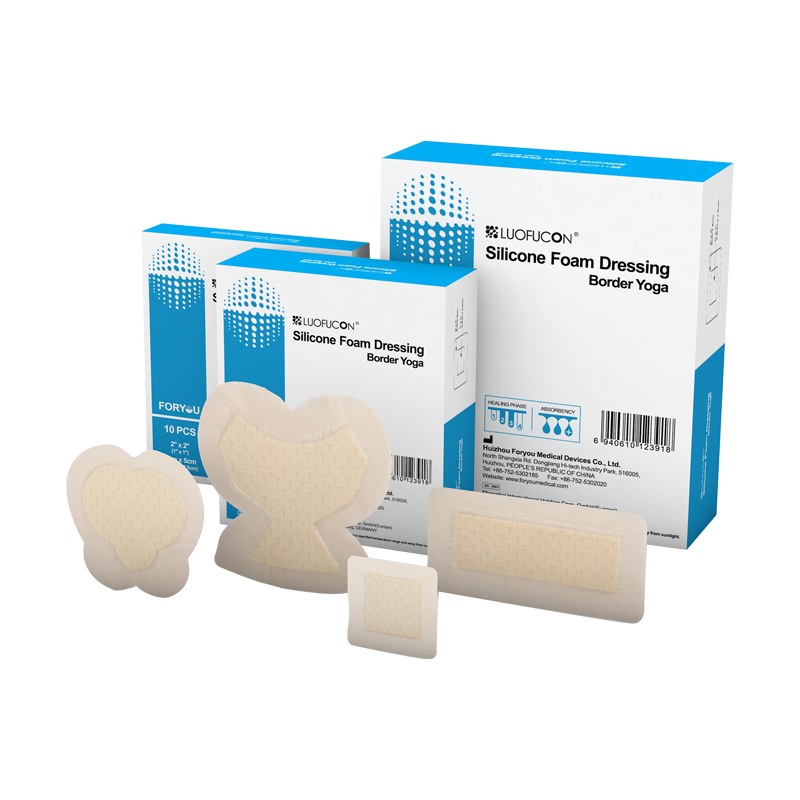
- Keep the wound clean and covered. Gentle soap and water are usually fine for minor wounds; then apply a sterile dressing or bandage.
- Avoid picking or scratching the scab—it may disrupt the healing and make scarring worse.
- If your healthcare provider gave special instructions (for example, after surgery or for a deep wound), follow them closely—these situations often need extra care.
- Massaging a new scar or putting vitamin E or petroleum jelly on it may sound appealing—but there’s no solid evidence that these prevent or reduce scars. Always talk with your provider before trying new treatments.
Things That Can Slow Healing
Certain conditions and behaviours make healing harder and slower. For best results, try to address these:
- Infection: A wound that becomes infected will heal more slowly and may get larger.
- Chronic conditions: People with diabetes, poor circulation (for example from clogged arteries or varicose veins), or impaired immune systems may have trouble healing.
- Lifestyle factors: Smoking, heavy alcohol use, poor sleep, high stress, poor nutrition, certain medications (e.g., high-dose steroids, NSAIDs, chemotherapy) — all can interfere with repair.
- Age and body weight: Older age and obesity are also recognised risk factors for slower recovery and higher chance of wound complications.
When to Contact a Healthcare Provider
Sometimes wounds require professional attention. Reach out promptly if:
- You notice increased redness, warmth, swelling, yellow or green pus, or excessive clear fluid — signs of infection.
- The edges of the wound turn black (suggesting dead tissue).
- Bleeding that won’t stop after about 10 minutes of direct pressure.
- You develop a fever of 100°F (37.7 °C) or above lasting more than 4 hours.
- Pain that persists or worsens even after pain relief.
- The wound reopens, or stitches/staples come out too soon.
Final Thoughts
In most cases—when a wound is well-cleaned, kept protected, and you support your body’s healing with good nutrition, rest, and avoiding harmful habits—the outcome is very good. Many wounds leave a small scar or none at all. If the injury is deeper, longer healing and more noticeable scarring can occur—but with proper care, you’re giving yourself the best shot at smooth recovery.









Leave a comment