



- By: Qiu
- 2025-10-31
Effective Wound Care Tips for Diabetic Patients
Living with diabetes means paying extra attention to your skin and feet, as wounds and ulcers can develop more easily and heal more slowly. Proper wound care is essential to prevent infection, avoid complications, and support healthy recovery. Here are some effective wound care tips specifically for diabetic patients.
1. Check your skin daily
Examine your feet, legs, and other areas you might not notice easily—such as between toes or on the soles—for any cuts, blisters, redness, or swelling. If you have limited mobility, use a mirror or ask a family member to help. Early detection of even a small wound can prevent it from worsening.
2. Keep blood sugar under control
High blood sugar slows down the body’s ability to fight infection and repair damaged tissue. Maintaining stable glucose levels through a balanced diet, regular exercise, and medication management will significantly improve wound healing outcomes.
3. Clean wounds gently
If you notice a wound, wash it gently with mild soap and water or a saline solution. Avoid harsh antiseptics like iodine or hydrogen peroxide, which can irritate tissue and delay healing. Pat the area dry with a clean towel—never rub.
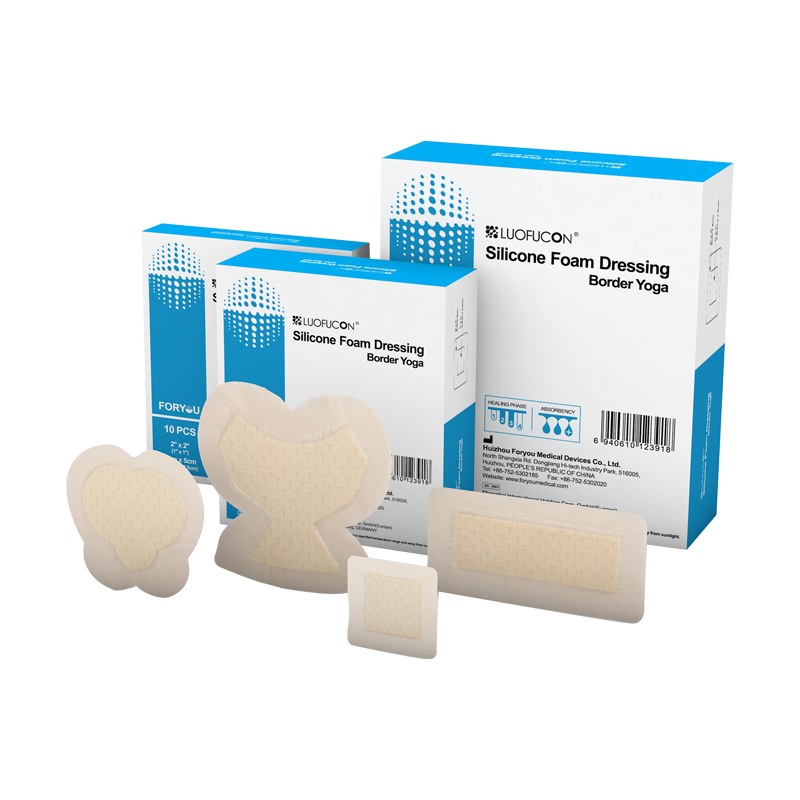
4. Use appropriate dressings
Modern wound dressings designed for diabetic care help maintain a moist healing environment, absorb excess exudate, and protect the wound from bacteria. Depending on the wound type, your healthcare provider might recommend antimicrobial, hydrocolloid, or foam dressings. Change dressings as directed and keep the area clean.
5. Avoid walking barefoot
Even a small unnoticed injury can turn into a serious ulcer for diabetic patients. Always wear clean, well-fitting shoes and moisture-wicking socks. Check your footwear regularly for any foreign objects or rough edges that could cause friction.
6. Manage pressure and friction
If you have a wound on your foot or leg, avoid putting weight on it as much as possible. Use offloading shoes, soft padding, or mobility aids as recommended by your doctor. Reducing pressure helps prevent tissue damage and promotes faster healing.
7. Don’t ignore warning signs
Seek medical attention immediately if you notice increased redness, swelling, warmth, drainage, or pain around a wound. These could be signs of infection that require prompt treatment. Never try to self-treat serious wounds.
8. Work closely with your healthcare team
Regular checkups with your doctor or podiatrist can help identify potential problems early. They can also recommend advanced wound care options, such as debridement, specialized dressings, or therapies that enhance circulation.
In summary, diabetic wound care is not just about treating wounds—it’s about prevention, vigilance, and overall health management. By maintaining good blood sugar control, inspecting your skin daily, and using proper dressings under professional guidance, you can greatly reduce the risk of complications and keep your skin healthy and strong.









Leave a comment